


Cleaning non-hotel accommodation: general guidelines
Published on
3 min read
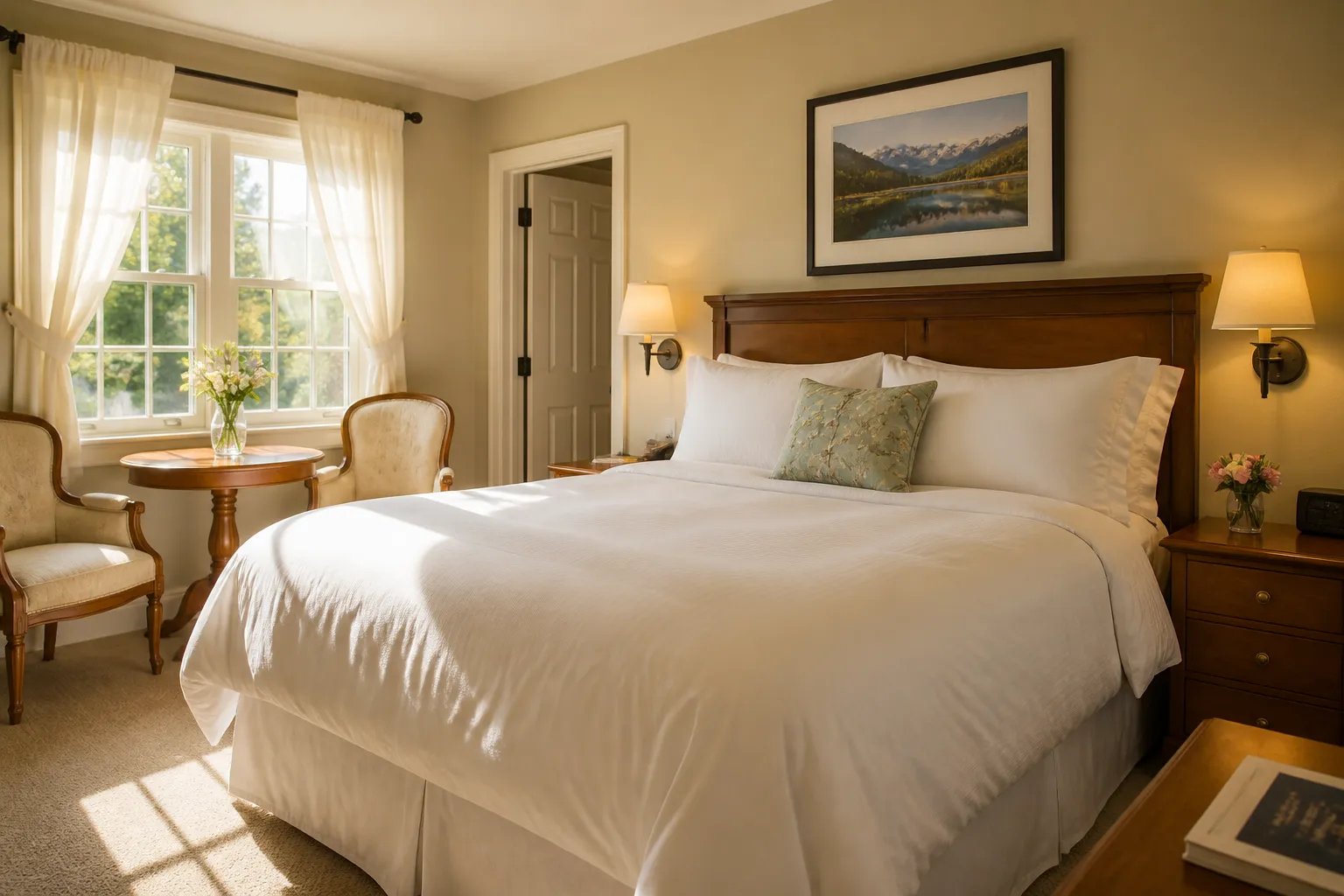
“Non-hotel accommodation” is an umbrella term covering very different businesses: B&Bs, guest-room rentals, residences, farm stays, holiday homes. Each has its own specific features, covered in other posts on our blog, but there are also a few general principles that apply to any property outside the traditional hotel category.
This article gathers general guidelines for cleaning non-hotel accommodation, useful as a starting point regardless of the specific type of property.
Contents
- What non-hotel properties have in common
- What really changes compared with a hotel
- Principles common to every type
- Adapting standards to the property’s scale
- The role of guest independence
- When professional support is worth it
- Where to start for your property
What non-hotel properties have in common
Despite their differences, all non-hotel properties share a few traits: generally smaller scale than a hotel, management often handled directly by the owner, and a more personal relationship with guests. These shared characteristics make it possible to identify a few cross-cutting guidelines, valid regardless of the specific type of property.
What really changes compared with a hotel
The main difference between hotel and non-hotel cleaning is not so much the hygiene standard required, which should stay comparable, but the organisation: a hotel has a dedicated housekeeping department with formalised procedures, while a non-hotel property often manages cleaning with more limited, less structured resources. This does not justify a lower standard, but it does call for a different organisational approach, calibrated to the property’s actual scale.
Principles common to every type
A few principles hold for any non-hotel property: a clear, repeatable turnaround sequence, non-negotiable minimum hygiene standards (clean linen, a sanitised bathroom, sanitised touch points), and a final check before every new arrival. These principles, already valid for a hotel, remain the correct starting point on a smaller scale too.
Adapting standards to the property’s scale
Rigidly applying a model designed for a large hotel to a property with few units often creates inefficiencies: overly formalised procedures for a context that does not need them, or staff dedicated to roles that, in a small property, one person can handle. The goal is to adapt the principles, not apply them mechanically regardless of scale.
The role of guest independence
Many non-hotel properties (holiday homes, residences, apartments) give guests a level of independence a traditional hotel does not offer: their own kitchen, managing spaces independently during the stay. This changes the type of cleaning needed during the stay (often absent, unlike a hotel’s daily turnaround), while the importance of a thorough clean between guests stays unchanged.
When professional support is worth it
Regardless of the type of non-hotel property, outside professional support becomes useful when the workload exceeds what in-house resources can manage, when specific technical needs come up (fabric treatment, unusual surfaces), or simply when you want to guarantee consistent standards even when the owner is away.
Our cleaning service covers every type of non-hotel property across our coverage area in Tuscany.
Where to start for your property
For anyone running a non-hotel property who wants to review their approach to cleaning, the most useful starting point is defining a written turnaround sequence, setting non-negotiable minimum standards, and realistically assessing whether in-house resources are enough to maintain them consistently throughout the season.
If you run a non-hotel property and want a tailored assessment, get in touch for a discussion.