


Pest control in hotels: regulatory obligations
Published on
3 min read
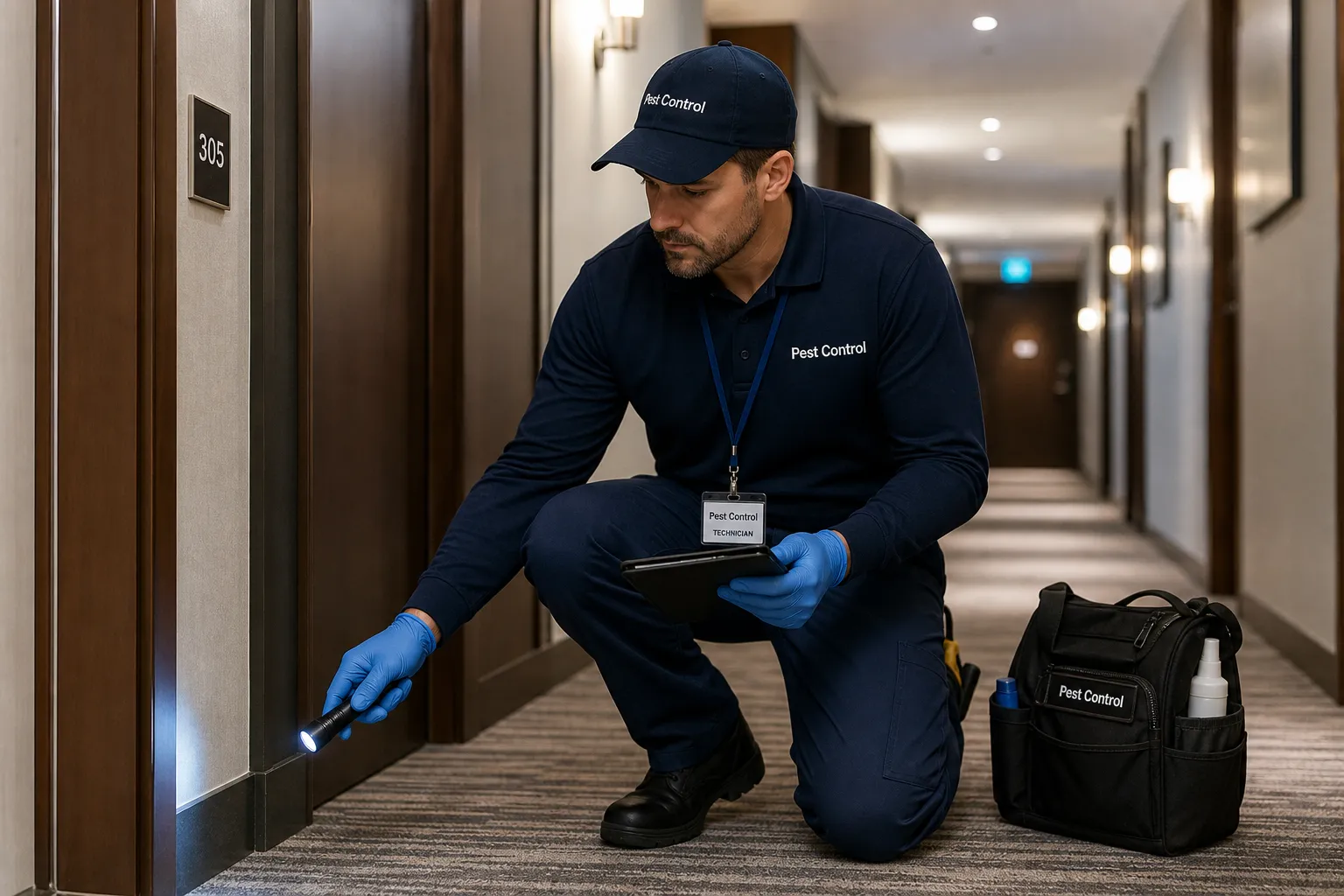
Pest control in a hotel is not something to activate only once a visible problem appears: hygiene and safety regulations applicable to hospitality properties, particularly those with food service, require a continuous, documented monitoring plan, regardless of whether pests have ever actually been found.
This article explains what regulations require for pest control in hotels and how a compliant plan is structured.
Contents
- Why pest control is a requirement, not a choice
- What the HACCP plan requires on this point
- Continuous monitoring vs. acting on a report
- The highest-risk areas in a hospitality property
- Required documentation
- Who should handle it: in-house or an outside specialist
- What to do during a regulatory inspection
Why pest control is a requirement, not a choice
Hospitality properties with food service fall under activities subject to European hygiene package obligations, which include preventing pest presence as part of managing hygiene and safety risks. This means a documented pest control plan is not an optional extra, but a requirement a health authority inspection can check at any time.
What the HACCP plan requires on this point
Within a HACCP self-monitoring plan, pest management is one of the control points to monitor and document regularly. The plan needs to state the preventive measures in place (physical barriers, waste management, access control), the monitoring system used (traps, bait stations, periodic inspections), and the corrective actions planned in the event of detection.
Continuous monitoring vs. acting on a report
A common mistake is thinking of pest control as a service to activate only once a problem is noticed. Regulations instead require a preventive approach: monitoring stations permanently installed at risk points, inspected at regular intervals, regardless of whether signs of presence have been detected. This approach catches a problem in its early stages, before it becomes visible to guests.
The highest-risk areas in a hospitality property
In a hospitality property, the highest-risk areas are generally the kitchen and food storage areas, waste storage zones, technical rooms with access to pipes and cable ducts, and outdoor areas near vegetation or watercourses. A well-structured monitoring plan concentrates control stations in these areas, with a higher inspection frequency than lower-risk zones.
Required documentation
Every monitoring or treatment intervention should be documented with date, type of work, inspection outcome and the signature of the person responsible. This documentation should be kept alongside the property’s other HACCP records and made available during an inspection by the relevant health authority. The absence of this documentation, even without an actual infestation problem, can itself constitute a non-conformity.
Who should handle it: in-house or an outside specialist
Basic monitoring (visual inspection, checking stations) can be carried out by trained in-house staff, but defining the plan, installing stations and any treatments almost always require a specialist pest control technician, licensed under current regulations. A supplier handling professional cleaning for a hotel can coordinate this aspect with dedicated specialists, keeping a single point of contact for the property.
Our cleaning service for hotels includes coordinating with specialists for pest control when needed.
What to do during a regulatory inspection
During a health authority inspection, the property must be able to show the monitoring plan, a map of installed stations, a log of work carried out and any corrective actions taken. Complete, always up-to-date documentation drastically reduces the risk of findings during the inspection.
If you want to check your property’s pest control plan is compliant, get in touch for an assessment.